Residential Spray Foam Installation for Energy-Efficient Construction
High-performance insulation and air sealing for durable residential structures
What We Do
Understanding Residential Spray Foam Installation
Residential spray foam installation is a modern insulation method used in construction to improve energy efficiency and indoor comfort.
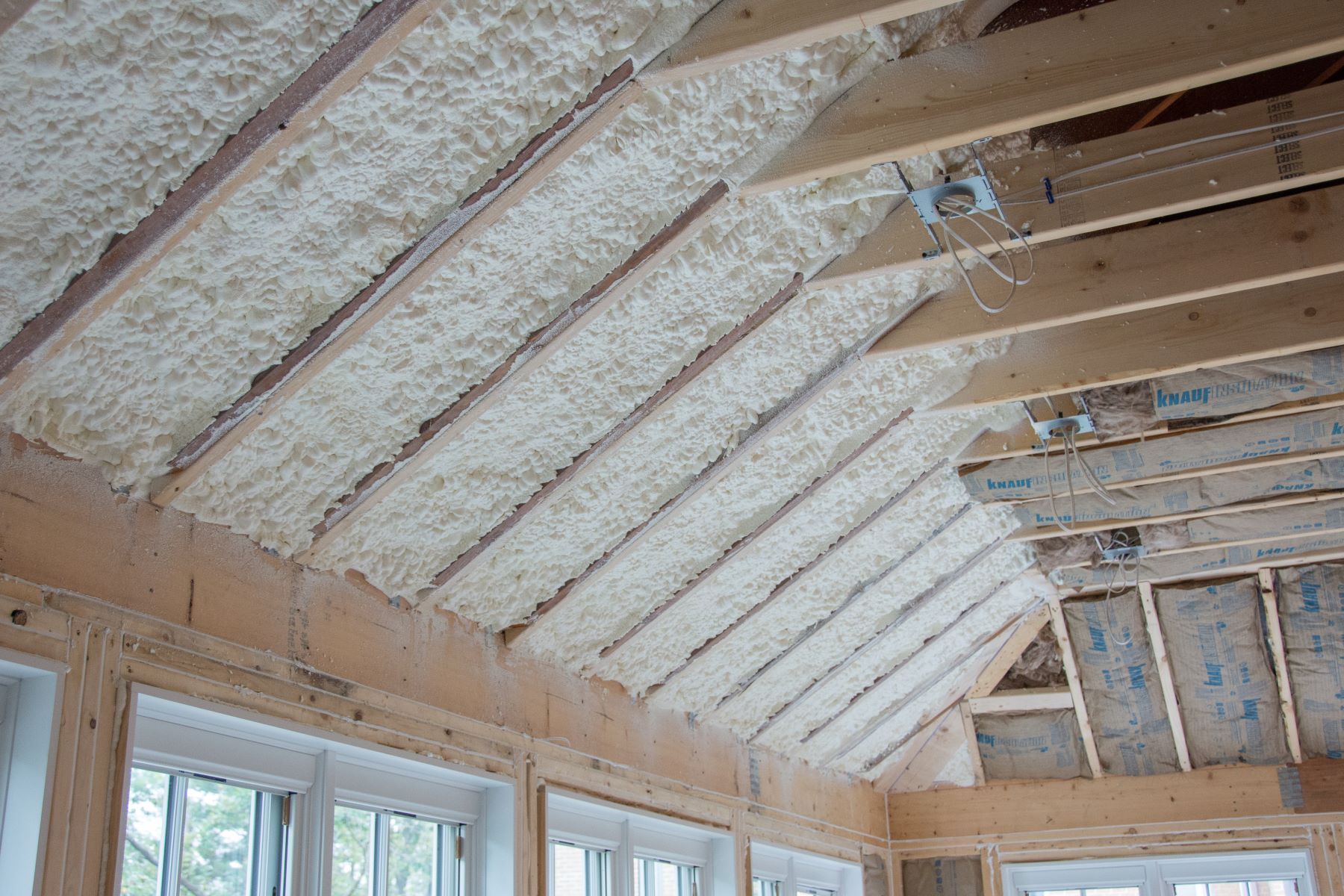
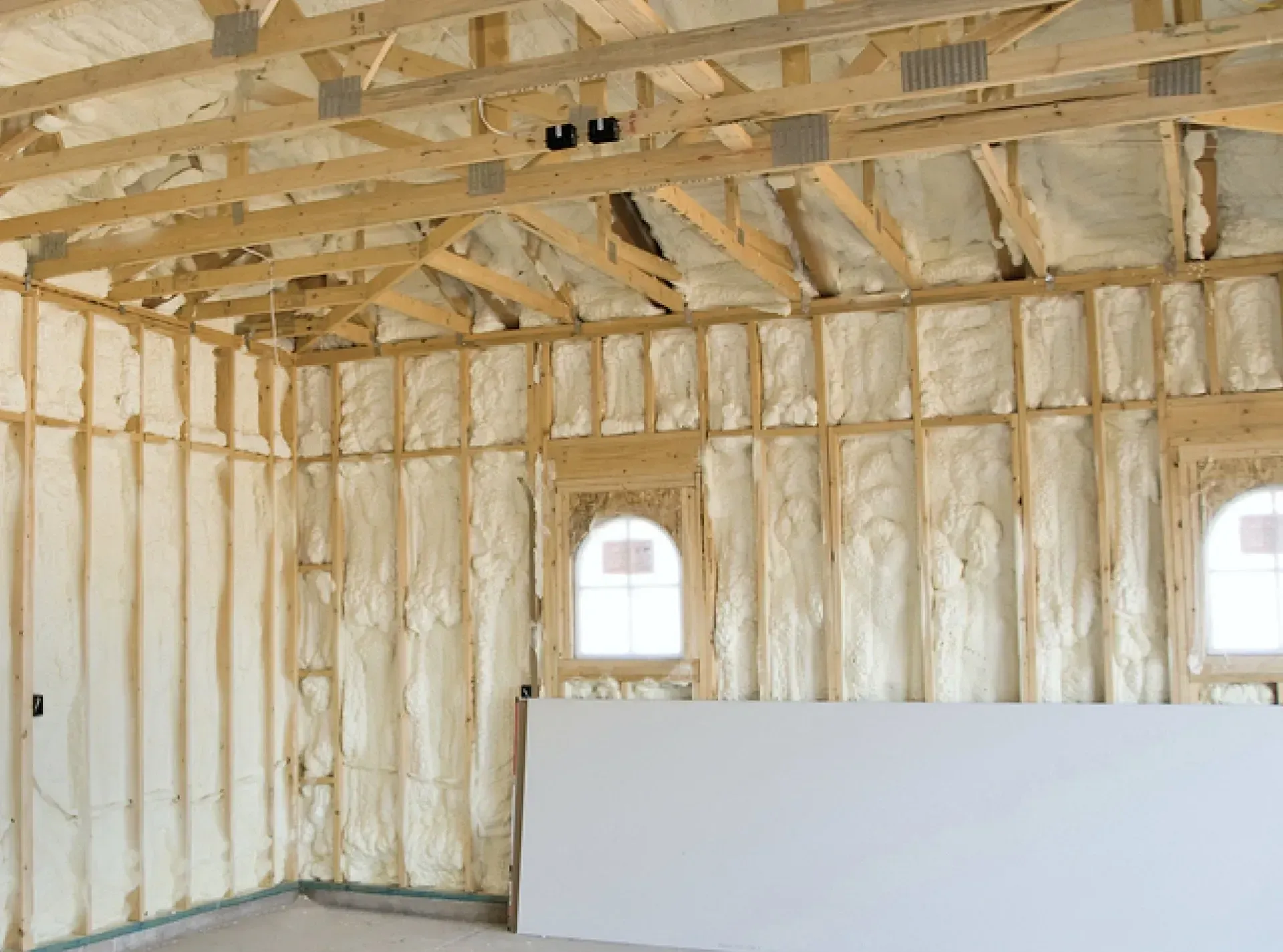
Foamshield LLC applies liquid polyurethane foam that expands on contact, filling gaps, cracks, and cavities within walls, attics, and crawl spaces. This process creates a continuous air barrier that reduces heat transfer and prevents air leakage. In Hendersonville, NC, climate conditions can lead to temperature fluctuations, making proper insulation essential for maintaining stable indoor environments.
The installation process begins with surface preparation, ensuring all areas are clean and ready for application. Technicians then use specialized equipment to spray the foam mixture, which expands and hardens within seconds. Depending on the project, open-cell or closed-cell foam is selected based on insulation needs and structural requirements.
Open-cell foam is lighter and ideal for sound absorption, while closed-cell foam provides higher density and moisture resistance. Once cured, the foam forms a durable layer that supports long-term performance. Foamshield LLC
ensures proper thickness and coverage to meet building standards, helping homeowners achieve better thermal control and reduced energy consumption, improved indoor air quality, reduced allergens, enhanced sound dampening, and long-lasting insulation performance for residential properties.
Why Choose Us
Key Features and Installation Benefits
Spray foam insulation plays a critical role in maintaining energy efficiency and indoor comfort in residential properties. Foamshield LLC focuses on accurate application methods to ensure consistent coverage across all surfaces.
🔒 Air Sealing Performance: Expands into gaps and creates tight barriers to minimize air leakage and drafts
🌡️ Thermal Resistance: High R-value insulation helps maintain consistent indoor temperatures year-round
💧 Moisture Control: Closed-cell foam resists water intrusion and reduces risk of mold growth
🏗️ Structural Support: Adds rigidity to walls and roof assemblies for enhanced durability
⚡ Energy Efficiency: Reduces HVAC load and leads to lower utility consumption over time
In Hendersonville, NC, proper insulation helps manage humidity levels and temperature shifts, which can affect building materials over time. The seamless barrier created by spray foam reduces the movement of air, limiting heat loss during colder months and heat gain during warmer seasons. This contributes to a more stable indoor climate and improved system performance. Additionally, the material’s ability to resist moisture helps protect structural components from long-term damage. By integrating this insulation method, residential buildings benefit from reduced maintenance needs and improved durability. For installation scheduling and service inquiries, contact Foamshield LLC at (828) 393-7818.
Application Process and System Integration
The application process for residential spray foam insulation requires careful planning and proper execution to ensure effective results. Foamshield LLC evaluates each property in Hendersonville, NC to determine insulation requirements based on structure design and environmental factors. The process begins with inspection and measurement of target areas such as attic spaces, wall cavities, and subfloor sections. Once assessed, protective measures are applied to surrounding surfaces before spraying begins.
Using calibrated spray equipment, the foam components are combined and applied evenly across designated areas. The material expands rapidly, filling voids and sealing gaps that traditional insulation may miss. After expansion, the foam cures into a solid layer that adheres to surfaces, forming a continuous insulation barrier. Technicians monitor thickness and consistency to ensure compliance with building codes and performance standards.
Post-installation inspection is conducted to verify coverage and identify any adjustments needed. This method ensures that insulation integrates effectively with the overall building envelope, supporting energy efficiency and long-term structural integrity, while improving indoor comfort and reducing long-term energy costs, enhancing air quality, lowering noise transmission, and supporting consistent temperature control across all living spaces.