
Closed Cell Spray Foam Installation Services for Energy Efficient Building Envelopes
Closed Cell Spray Foam Insulation Solutions for Stronger Thermal Performance
What We Do
What Closed Cell Spray Foam Installation Involves and How It Works
Closed cell spray foam installation is a method used to create a dense insulating layer that strengthens thermal resistance and reduces air movement through structural gaps. The process begins with surface preparation to ensure proper adhesion, followed by the application of a two-component polyurethane mixture that expands upon contact. This expansion allows the foam to fill cracks, cavities, and irregular spaces, forming a rigid insulation layer once cured. The closed-cell structure makes the material resistant to moisture absorption while also increasing overall building durability.
In Hendersonville, NC, Foamshield LLC applies controlled spray techniques to achieve consistent coverage across walls, ceilings, and hard-to-reach areas. The installation process helps stabilize indoor temperature conditions by limiting heat transfer through conduction and air leakage. Once applied, the foam expands rapidly and hardens into a compact layer that supports structural strength. Proper curing time ensures the material bonds securely to surfaces, creating a long-lasting insulation barrier.
This system is commonly used to improve energy efficiency and maintain steady indoor comfort levels across different types of building structures. It also helps reduce noise transfer, supports long-term insulation performance, and enhances resistance to seasonal temperature fluctuations and moisture-related wear over time.
Why Choose Us
Core Features and Functional Benefits of Spray Foam Systems
Closed cell spray foam systems are important because they help reduce energy loss, maintain consistent indoor conditions, and improve structural protection against environmental changes. The application process ensures that gaps are sealed thoroughly, reducing unwanted airflow and supporting efficient thermal control.
•🌡️ High R-Value Performance: Improves thermal resistance and reduces energy loss across structural surfaces
•🛡️ Air Sealing Capability: Minimizes air leakage through cracks and gaps in building materials
•💧 Moisture Control System: Helps limit water penetration and reduces risk of damage related to moisture buildup
•🧱 Durable Foam Layer: Forms rigid insulation that strengthens overall envelope performance
•⚙️ Efficient Application Process: Applies uniform coverage to enhance consistency and long-term stability
This insulation type also contributes to moisture resistance, which helps preserve material integrity over time. At in Hendersonville, NC, installation methods focus on even distribution and proper curing to ensure lasting performance. The system adapts well to different surface types and supports improved efficiency by reducing strain on heating and cooling systems. It also enhances long-term durability, minimizes maintenance needs, and helps maintain stable performance across varying conditions throughout the year. For details and scheduling, contact (828) 393-7818.
Application Process and Material Behavior in Closed Cell Foam Systems
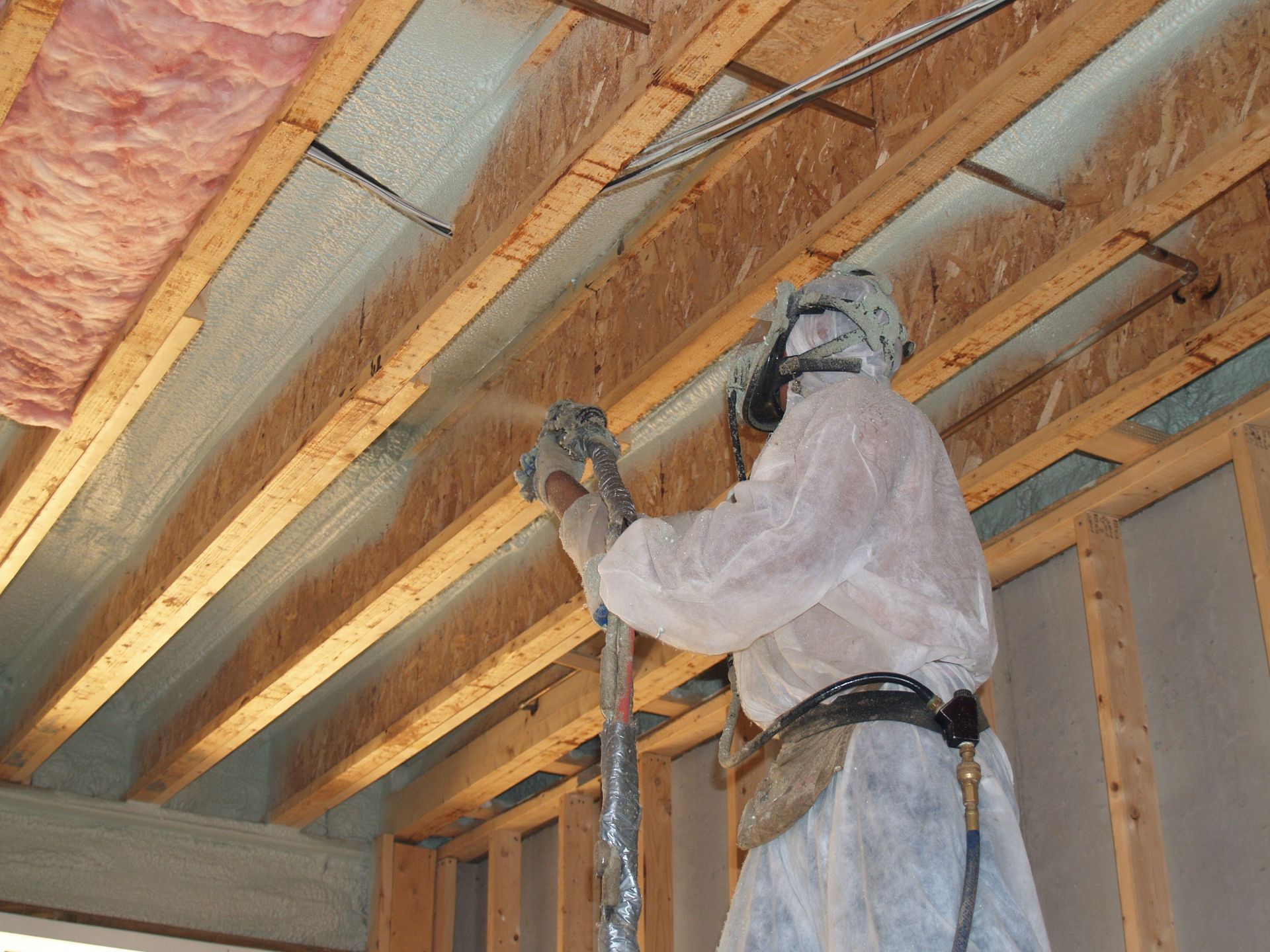
Closed cell spray foam installation involves a structured application process designed to ensure consistent insulation coverage and strong surface bonding. The process begins with site evaluation and surface preparation to remove dust, moisture, or debris that may affect adhesion. A specialized spray system then combines chemical components that react and expand upon application. This expansion allows the foam to penetrate small openings and hard-to-reach areas, creating a continuous insulating layer. In Hendersonville, NC, Foamshield LLC applies controlled spray patterns to maintain uniform thickness and coverage.
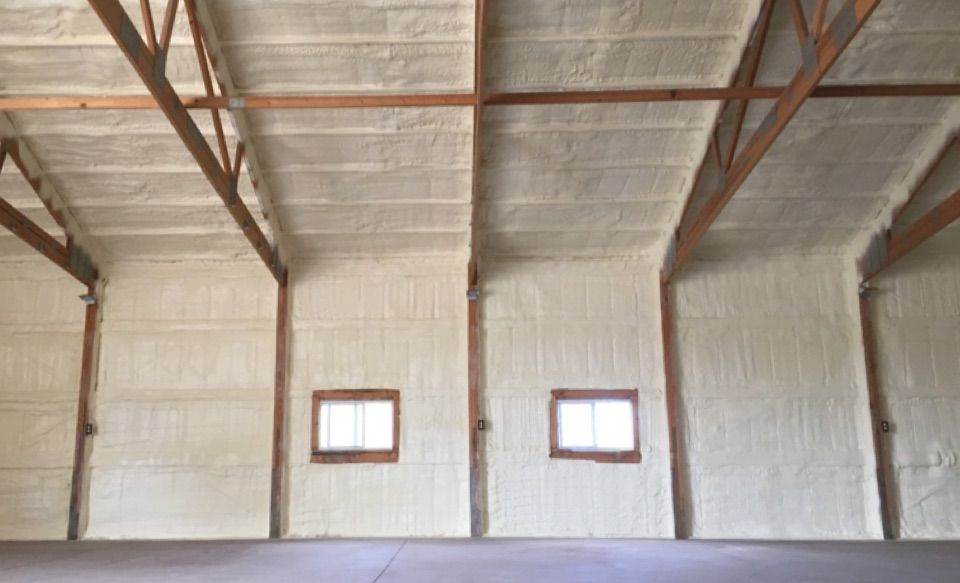
Once applied, the foam rapidly expands and begins curing into a dense, rigid structure that resists air movement and moisture penetration. This closed-cell composition enhances thermal resistance while adding strength to the surrounding structure. The cured foam acts as both an insulator and a protective barrier, helping regulate internal temperature conditions.
Proper installation timing and controlled layering are important to achieve balanced performance. Over time, the insulation maintains its shape and effectiveness, supporting long-term energy efficiency and stability across various building environments. It also helps reduce sound transmission, improves structural durability, and supports consistent performance in varying temperature and humidity conditions across the treated space.